




Schedule a booking

When a senior pet becomes ill, timely and accurate diagnosis is crucial.
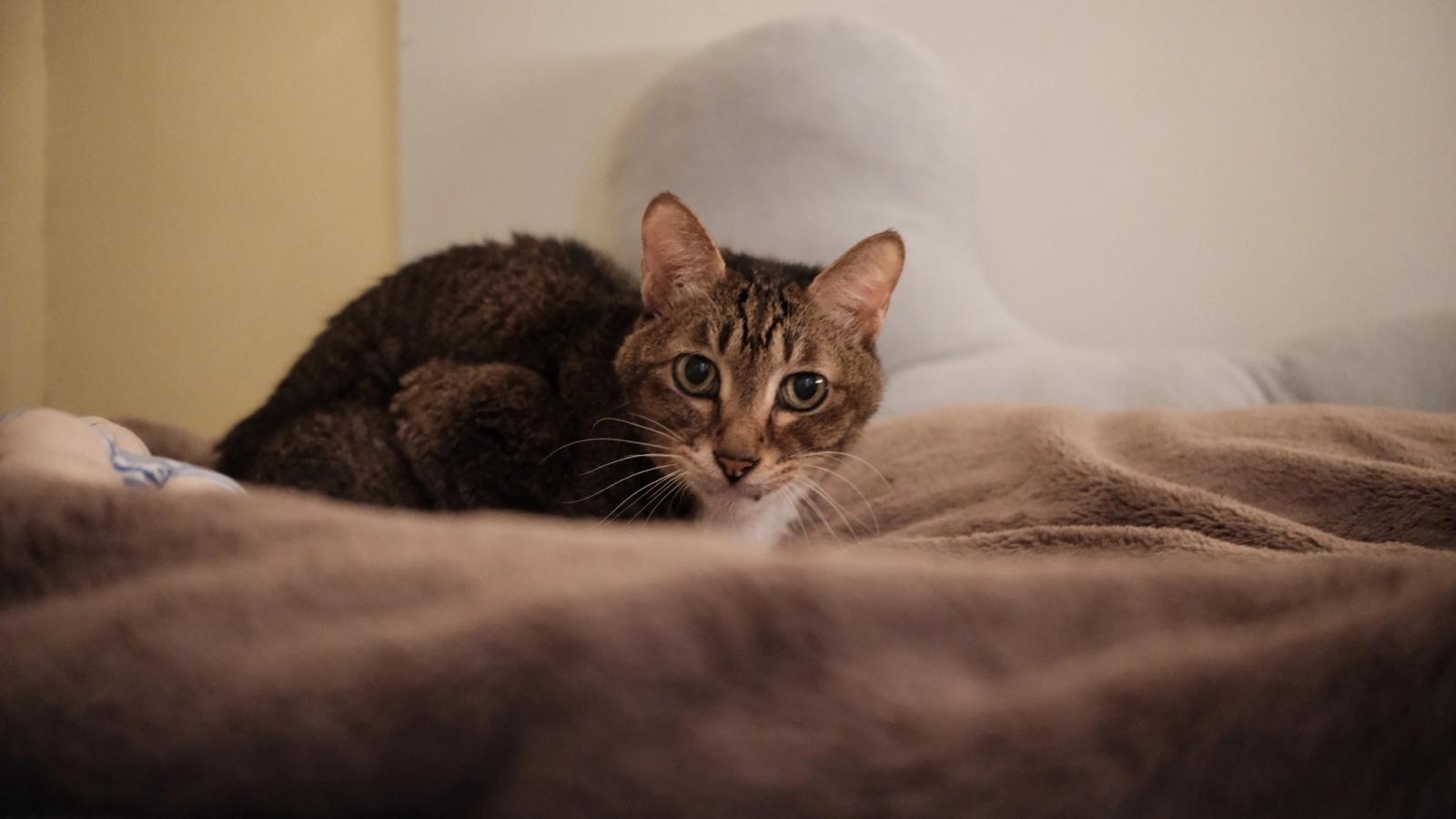
In this real-life case, we share how23-year-old Dan Dan was successfully diagnosed with advanced heart disease andstabilized with appropriate treatment — regaining a good quality of life.
Many owners worry that the older a cat gets, the harder it becomes to treat illness. While age is indeed an important factor in medical decision-making, early intervention can still make a significant difference — even for very senior cats.
Below is Dan Dan’s journey, from seizure episodes to the discovery of advanced heart disease, and ultimately, stabilization.
Name: Dan Dan
Species: Domestic cat
Age: 23 years
Before onset:
Cats are generally considered senior from the age of 7 onward.
While older cats require closer monitoring, being senior does not mean untreatable.
At around 19 years old, Dan Dan began experiencing seizures approximately once per month, sometimes accompanied by brief loss of consciousness.
At that time, the seizures were thought to be neurological in origin, possibly epilepsy. There were no respiratory symptoms, and annual health checks were performed. The condition remained relatively stable.
Four years later, at over 20 years old, Dan Dan’s condition worsened.
Seizure frequency increased to three to four times per week. Her breathing rate also became noticeably faster.
Abnormal breathing is a serious warning sign. This prompted a shift in diagnostic focus — from neurological evaluation to cardiopulmonary assessment.
Within a week, Dan Dan’s condition rapidly declined. She experienced multiple seizures per day and developed clear respiratory distress.
Immediate medical intervention was necessary.
Dan Dan underwent both echocardiography and thoracic radiography.
Findings:
The heart structure had undergone irreversible changes. The heart was overloaded and had entered heart failure.
Dan Dan’s life was at imminent risk.
Hypertrophic cardiomyopathy (HCM) is a condition where the heart muscle thickens abnormally.
This thickening reduces the ventricular space, impairs blood flow, and increases pressure in the atria. In advanced stages, heart failure develops.
Stage A:
At-risk breeds, but no structural changes yet.
Stage B1:
Mild thickening, normal heart size, no symptoms.
Stage B2:
Moderate to severe thickening with chamber enlargement.
Stage C:
Clinical signs of heart failure (e.g., pleural effusion, breathing difficulty).
Stage D:
Refractory heart failure, difficult to control with medication.
Dan Dan was in Stage C, already experiencing heart failure.
Seizures alone did not initially point toward heart disease.
Only after respiratory symptoms appeared did further cardiac investigation reveal the underlying issue.
To relieve the life-threatening pleural effusion, thoracocentesis was performed. Approximately 80 cc of clear fluid was removed.
Dan Dan’s breathing improved immediately — confirming correct diagnostic direction.
When pleural effusion is present, thoracocentesis is not optional.
It is not a treatment for cardiomyopathy itself, but a life-saving emergency procedure to relieve respiratory compromise.
After the emergency intervention, Dan Dan was no longer in immediate danger.
With appropriate long-term medication, her condition stabilized.
Dan Dan continued regular follow-ups.
Results showed:
She returned to a stable daily routine — eating, drinking, and moving independently.
This is considered clinical stability.
Dan Dan’s case demonstrates that even a 23-year-old cat can stabilize with timely diagnosis and appropriate intervention.
Age alone should never determine whether treatment is pursued.
If you are concerned about your senior cat’s health, Swanston Veterinary Hospital provides comprehensive diagnostic services and individualized care plans tailored to each life stage.
Call us:2123 9206
Book online:https://www.swanstonvet.com/#Booking
Visit us:Shop 9, G/F, Yuccie Square, 38 On Ning Road, Yuen Long
Opening hours:Monday to Sunday, 10am – 8pm
*After submitting the booking request, our team will call you as soon as possible to confirm the date and time. The appointment date and time will be confirmed by phone.