




Schedule a booking

When your pet starts eating less, how do you tell if it’s just picky behavior — or a sign of dental pain? What kinds of dental problems cause pain? Our veterinarian breaks it down for you.
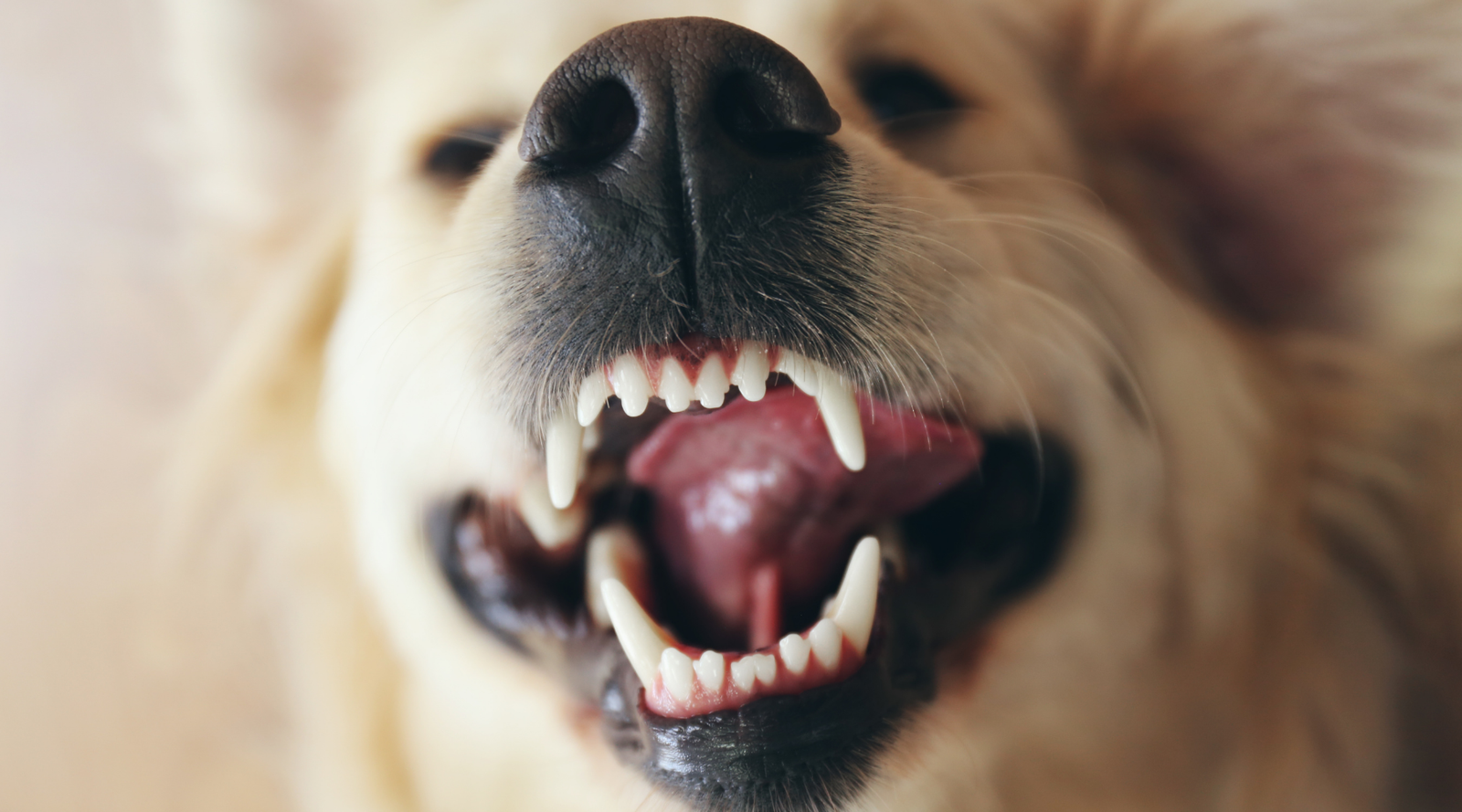
Feeding is a crucial part of pet health. So when your furry companion eats less than usual, it’s natural for pet owners to worry. Like humans, cats and dogs have their own personalities and food preferences. But while some cases are just fussiness, a sudden change in appetite could signal something much more serious — like dental disease.
Dental pain is a common cause of decreased appetite. If your pet shows any of the following behaviors during meals, they may be suffering from a toothache:
Try gently examining your pet’s mouth. Are the gums a healthy pink? Is there redness, swelling, or bleeding? Pets in pain may resist having their mouth touched and may paw at their face or rub their muzzle to ease the discomfort.
Reminder: When in pain, pets may suddenly become fussy, stop eating halfway, or chew in strange ways. Cats, in particular, are experts at hiding pain. Always observe closely and consult your vet if anything seems unusual.
Common dental issues like periodontal disease, tooth resorption, and gingivitis make chewing painful — especially with hard kibble, which causes pets to become “picky eaters.”
Normal Picky Eating:
Dental Pain–Related Eating Issues:
❌ “She’s still eating, so her teeth must be fine.”
❌ “Just give her canned food — problem solved.”
Picky eating isn’t always about taste or personality. Don’t overlook hidden health risks. Delaying treatment may worsen the dental problem and increase your pet’s discomfort.
Dental health directly affects a pet’s ability to eat — and their overall wellbeing. If you suspect something’s wrong, don’t wait. Seek veterinary advice promptly to identify the root cause and begin treatment.
Yes, over 50% of dental disease lies below the gumline, invisible to the naked eye. In cats, studies show that 42% of dental issues can only be detected through dental X-rays.
By the time swelling or pus appears, the tooth root is often already seriously infected — and your pet has likely been silently suffering.
To protect your pet’s oral health, book regular dental check-ups — and seek immediate veterinary care if you notice any of the signs above.
At Swanston Veterinary Hospital, we offer full dental care services, including dental X-rays and ultrasonic scaling, combined with deep veterinary expertise. We can pinpoint the source of pain early and help your furry companion enjoy eating comfortably again.
*After submitting the booking request, our team will call you as soon as possible to confirm the date and time. The appointment date and time will be confirmed by phone.