




Schedule a booking

Did you know that your pet’s immune system could be the root cause of dental problems? What kinds of dental issues can be caused by immune dysfunction? How can you prevent them? Does feeding wet food affect dental health? Let our veterinary team walk you through everything you need to know.
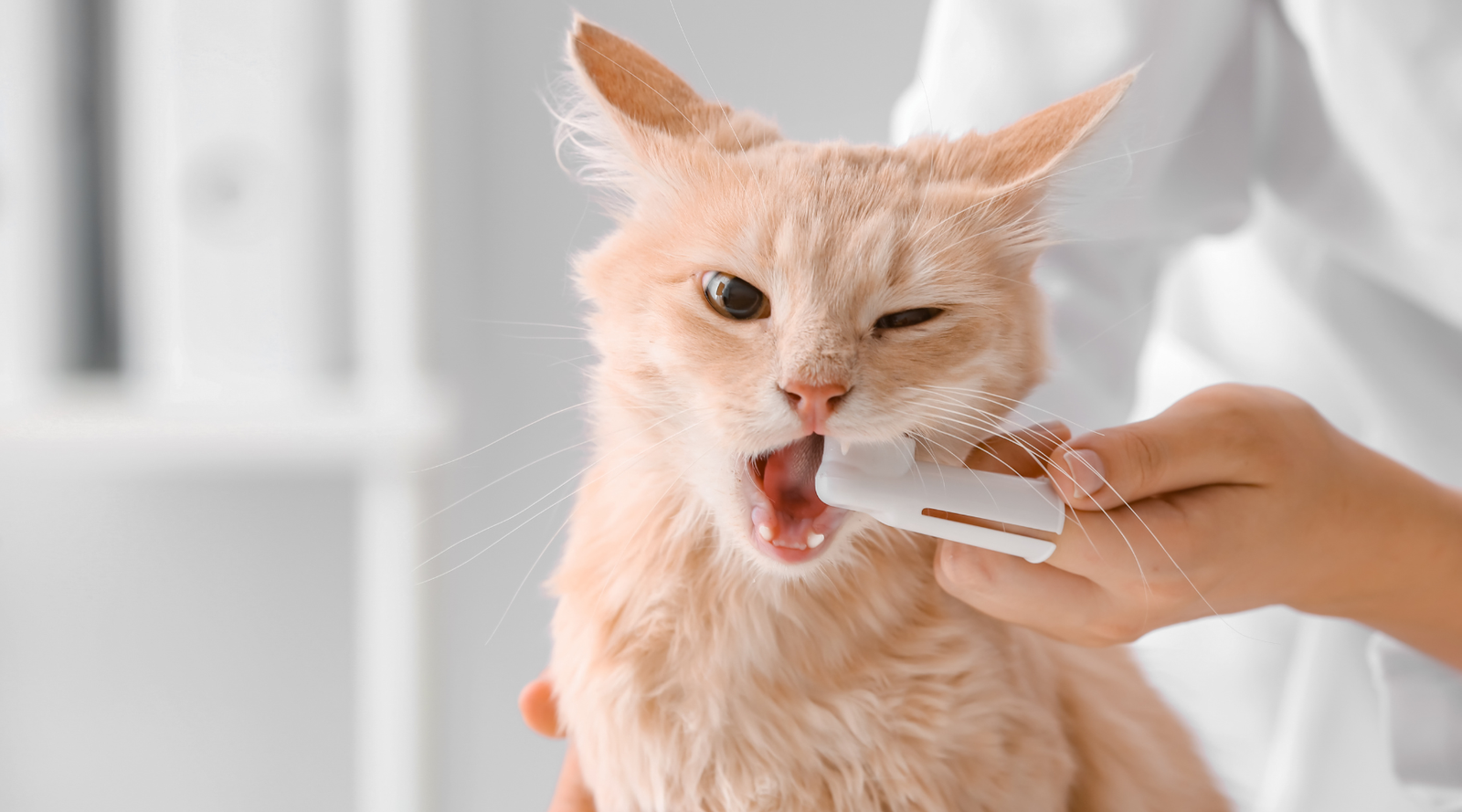
Common dental issues in pets — such as gingivitis, periodontal disease, and tooth decay — can lead to bad breath, drooling, and loss of appetite.
To prevent dental problems, brushing your pet’s teeth daily is important, but so is having regular dental exams and scaling done by a veterinarian.
However, when dealing with immune-mediated dental disease, even more caution is needed.
Many pet parents check their pets’ mouths and monitor their appetite. But when there’s no visible tartar, it’s easy to assume everything is fine.
Here are common reasons owners may overlook serious dental issues:
In reality, immune-mediated dental disease is often invisible. For example, tooth resorption, which is common in cats, may not show any outward signs — but the root may already be seriously damaged inside.
The immune system is the body’s first line of defense against infection.
But when the immune system malfunctions, it can lead to a range of health problems — including dental disease.
Autoimmune disease occurs when the immune system mistakenly attacks the body’s own healthy cells, tissues, or organs — triggering inflammation and, over time, serious damage.
Just like humans, pets can suffer from immune system disorders. When the immune system misidentifies the teeth as “foreign invaders,” it starts attacking them — resulting in immune-mediated dental disease.
These conditions often have no obvious signs. They can only be diagnosed through dental X-rays, and cannot be treated by scaling alone. They usually require a combination of surgical and medical intervention.
🦷 Tooth Resorption (Cats)
💡 What are Odontoclasts?
Odontoclasts are normal cells that help absorb baby teeth during teething. In healthy adult cats, they become dormant.
However, if the immune system becomes dysregulated and these cells remain active, tooth resorption can occur.
🦷 Feline Gingivostomatitis (FGS)
⚠️ Viral Infections That Increase FGS Risk:
🐶 CUPS (Chronic Ulcerative Paradental Stomatitis – Dogs)
In dogs, the immune system can overreact to bacteria in dental plaque, even if tartar levels are low. This immune response causes ulcers, painful inflammation, and gum/tissue damage — requiring long-term management.
Symptoms include:
Treatment usually includes:
Q: Why do autoimmune diseases occur in pets?
A: The exact cause is still unknown. Some theories suggest that viruses, bacteria, or medications may trigger immune confusion — especially in pets with a genetic predisposition.
Q: Are certain breeds more prone to immune-related dental disease?
A: Any dog or cat can develop dental disease if oral hygiene is poor, regardless of breed or size. Plaque and tartar buildup can lead to inflammation and infection.
However, pets carrying the following viruses are at higher risk for immune-mediated dental diseases:
Q: Is wet food or dry food better for dental health?
A: Wet food is not harmful to teeth, but it does not provide the mechanical cleaning action that dry food does.
Pets that eat only wet food tend to accumulate more plaque and tartar over time.
No matter the type of dental disease, the best approach is daily brushing and regular veterinary dental checkups.
At Swanston Veterinary Hospital, we’re equipped with dental X-rays, ultrasonic scalers, and a full dental suite — ensuring safe, comfortable, and effective treatment for your pet.
Call us:2123 9206
Book online:https://www.swanstonvet.com/#Booking
Visit us:Shop 9, G/F, Yuccie Square, 38 On Ning Road, Yuen Long
Opening hours:Monday to Sunday, 10am – 8pm
*After submitting the booking request, our team will call you as soon as possible to confirm the date and time. The appointment date and time will be confirmed by phone.