

Schedule a booking

When to Seek Veterinary Care for UTIs in Cats: A Detailed Guide

As a cat owner, understanding when your furry friend needs medical attention for urinary tract issues is crucial. Cats are adept at hiding discomfort, so by the time you notice something is wrong, the issue may have already become serious.
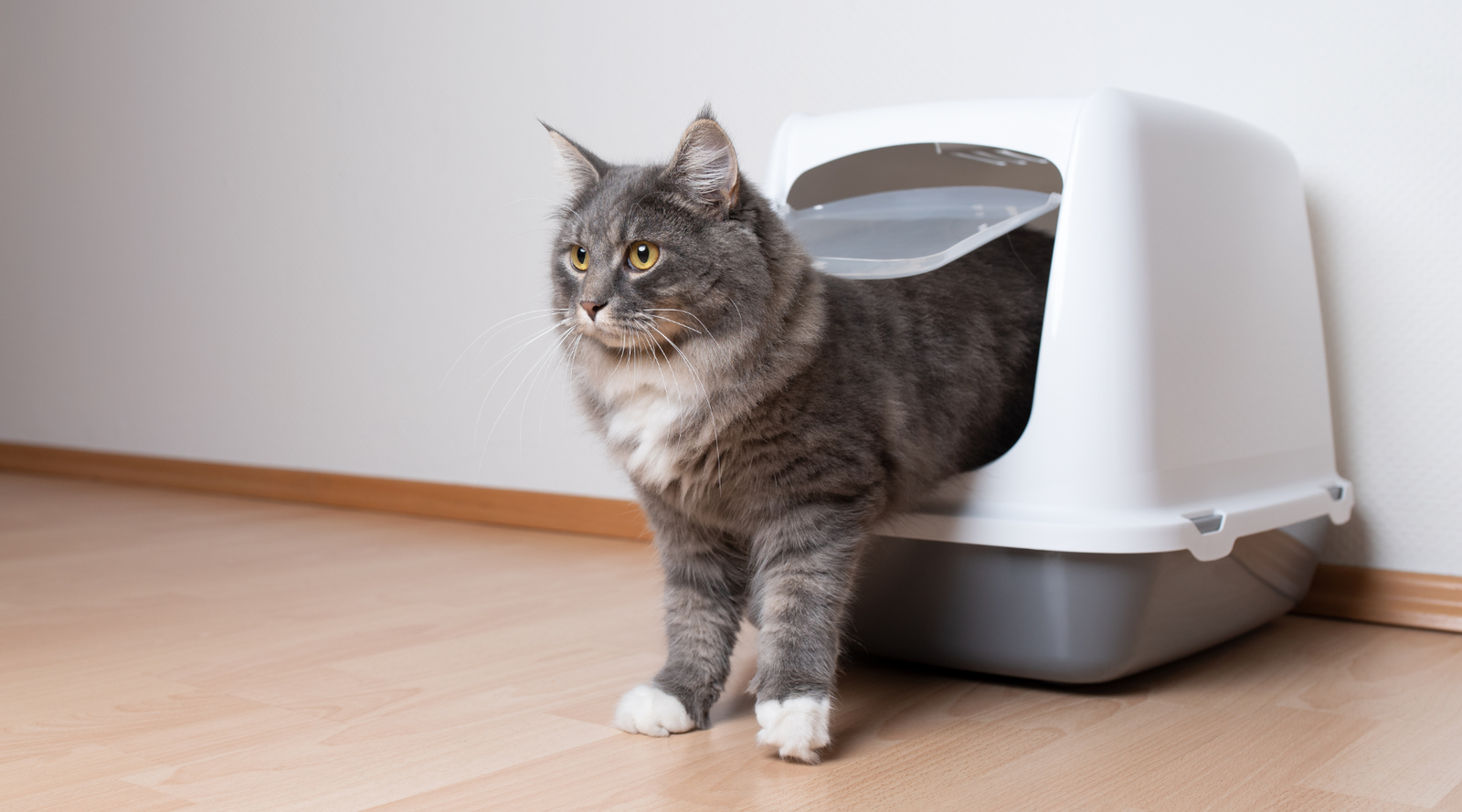
When to Seek Veterinary Care for UTIs in Cats: A Detailed Guide

Here’s how to spot the warning signs of urinary tract infections (UTIs) and other related problems, so you can get your cat the care it needs without delay.

Detailed Signs and Symptoms

Straining to Urinate:

  • What it looks like: Your cat goes to the litter box more often but seems to struggle and can only produce a few drops or no urine at all.
  • Why it’s serious: This can be a sign of a blockage, especially in male cats, who have narrower passages. A blocked urethra is a life-threatening emergency that can cause the bladder to rupture or lead to kidney failure if not treated immediately.

Frequent Attempts to Urinate:

  • What it looks like: You might notice your cat visiting the litter box repeatedly, staying longer than usual, or returning shortly after leaving.
  • Why it’s concerning: This behavior can be a sign of irritation or infection in the urinary tract, which can cause significant discomfort and may worsen without treatment.

Blood in the Urine:

  • What it looks like: The urine may appear red, pink, or have blood spots. Sometimes, it might just be cloudy or darker than usual.
  • Why it’s urgent: Blood in the urine often indicates inflammation or infection. It can also be a symptom of more severe issues like stones or tumors.

Painful Vocalization:

  • What it sounds like: Your cat may meow unusually, cry, or yowl when trying to urinate.
  • What it means: This is a clear sign your cat is in pain. Cats are stoic creatures and usually only vocalize when they're experiencing significant discomfort.

Behavior Changes:

  • What you might see: Your cat may urinate outside the litter box often because they associate the box with pain. They might be over-grooming or licking the genital area excessively due to irritation. Also, They might less interaction or hiding more than usual as a sign of feeling unwell.
  • Why it’s a red flag: These behaviors are your cat’s way of coping with discomfort or trying to tell you something is wrong.

Why Swift Action is Crucial

Prevent Complications

Early symptoms can quickly develop into severe health problems, including kidney damage, severe infections, or even life-threatening conditions if not addressed promptly.

Accurate Diagnosis

Your vet can run tests to find out exactly what’s wrong, whether it’s an infection, blockages, or crystals in the urine, and tailor treatment accordingly.

Relief and Recovery

The sooner your cat gets treated, the quicker they can return to being comfortable and happy. Delaying can prolong their discomfort and recovery time.

Conclusion: Better Safe Than Sorry

When it comes to your cat’s urinary health, it's always better to err on the side of caution. If you notice any of the signs mentioned above, don’t wait. Contact your veterinarian right away. Early intervention is the key to preventing more serious issues and ensuring your cat lives a long, healthy, and comfortable life. Remember, you know your cat best. Trust your instincts—if something seems off, it’s worth getting checked out.

Schedule a booking

Thank you! We have received your booking request and will call you to confirm.
Sorry, something went wrong. Please WhatsApp us at 6978 3489.

*After submitting the booking request, our team will call you as soon as possible to confirm the date and time. The appointment date and time will be confirmed by phone.