

Schedule a booking

Inside the Operating Room: What Happens During a Spay/Neuter Surgery?

Did you know that a typical neutering surgery for cats and dogs takes just 20 minutes? But what does the full procedure really involve — from pre-op checks and anaesthesia to surgery and post-op care? Keep reading to learn what happens during a professional spay/neuter procedure.
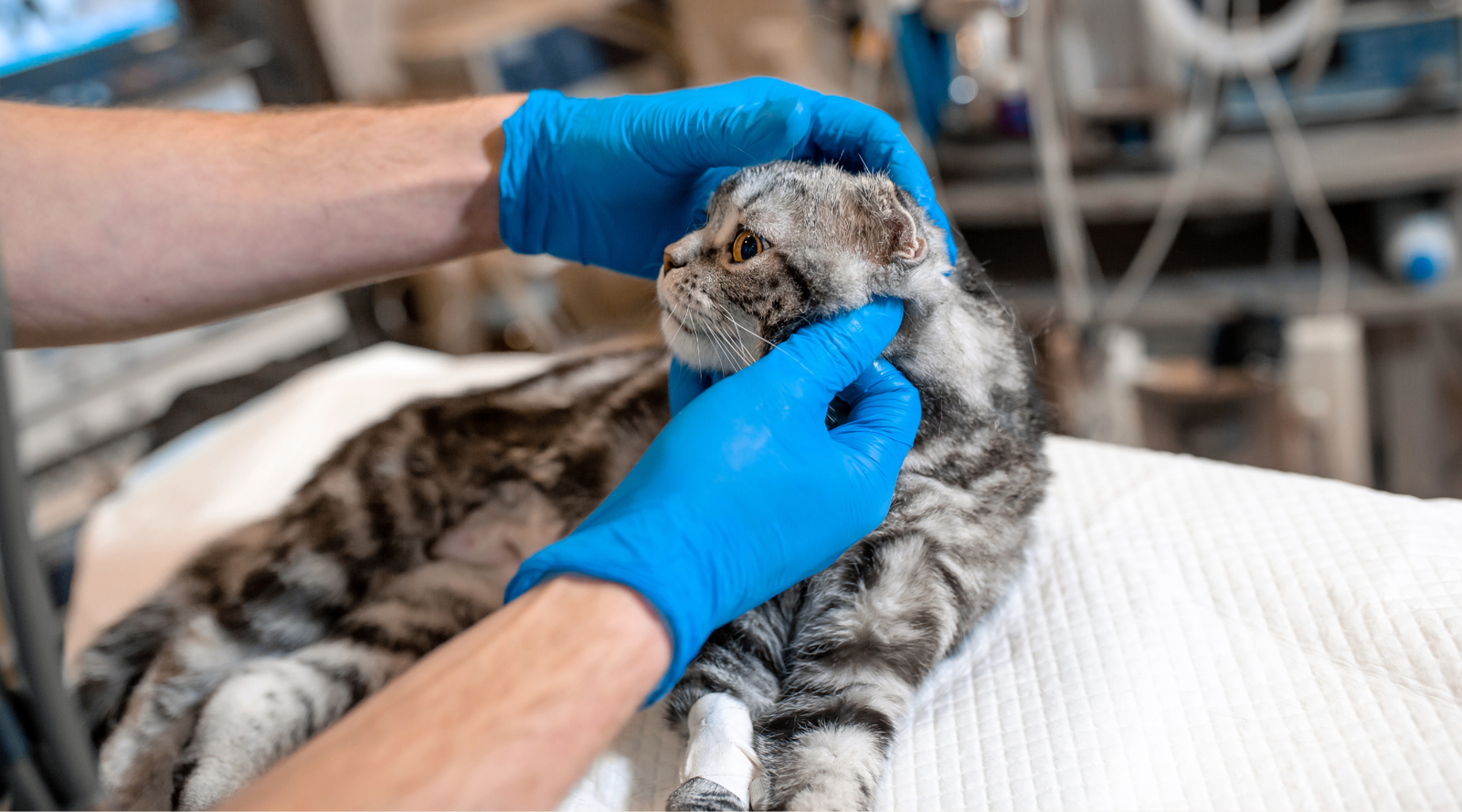
Inside the Operating Room: What Happens During a Spay/Neuter Surgery?

Did you know that a typical neutering surgery for cats and dogs takes just 20 minutes?
But what does the full procedure really involve — from pre-op checks and anaesthesia to surgery and post-op care?
Keep reading to learn what happens during a professional spay/neuter procedure.

Neutering: A Milestone for Every Pet

Once your pet reaches the appropriate age, it's time to consider neutering.
The procedure brings many benefits — not just for reproductive control but also for your pet’s long-term health and wellbeing.

Wondering why neutering is important? Click here to learn more.

Some owners assume neutering is a lengthy operation, but in reality, the surgery itself takes just around 20 minutes —
and including pre-op checks and anaesthesia, the entire process takes about an hour.

Step-by-Step: The Full Neutering Procedure

1. Pre-operative Preparation and Check-up

Before surgery, your pet must go through a few important steps:

  • Physical exam: General check-up to ensure no injuries or abnormalities.
  • Vital signs check: Monitor temperature and respiratory health to confirm readiness.
  • Anaesthesia consent form: Owners are informed about anaesthesia risks and asked to sign a consent form before receiving a fee estimate.

Optional Health Screenings

We recommend the following pre-surgical tests for your pet's safety. Owners can decide based on individual needs and peace of mind:

  • Blood test: Assesses organ function, clotting ability, and overall health. Results are available in about 30 minutes.
  • Heart screening: Includes auscultation and/or ultrasound to detect any congenital or acquired heart conditions.
  • Disease testing: For cats, screening for illnesses like feline panleukopenia, FIV, or FeLV to assess immune system health.
  • Hip X-rays: Recommended for large breed dogs. Since this requires sedation, it’s a good time to perform it along with neutering to reduce anaesthesia exposure and detect early signs of hip dysplasia.
Unknown block type "figure", specify a component for it in the `components.types` option

Male vs. Female: Different Approaches

For Male Pets

  • Testicle check: Confirm both testicles are properly descended.
  • Suturing options: In some male cats, sutures may not be necessary and tissue adhesive (glue) can be used instead.
Unknown block type "figure", specify a component for it in the `components.types` option

For Female Pets

Extra caution is required, including:

  • Checking for uterine diseases (e.g., pyometra)
  • Determining if the pet is in heat

Why is surgery riskier during heat?
During estrus, tissues become more fragile, increasing surgical risk.
Extra steps — like ligating specific blood vessels — may be required to ensure safety.

Can cats go into heat suddenly on the day of surgery?
Not likely.
Feline heat cycles are seasonal and irregular, but generally do not begin suddenly on the day of the procedure.

2. Performing the Surgery

Once all pre-op checks are complete, the surgery is carried out.
Our veterinarians choose the most appropriate incision and suturing method based on your pet’s size and condition — always with safety and recovery in mind.

Unknown block type "figure", specify a component for it in the `components.types` option

3. Post-operative Care

After the surgery and once your pet wakes up from anaesthesia, they can return home the same day.
Here’s how to ensure a smooth recovery:

  • Follow-up visit: Return within 2 days for a wound check to confirm there’s no bleeding.
  • Keep the wound clean: Check and clean the wound regularly; avoid getting it wet.
  • Elizabethan collar (E-collar): Prevents licking or biting of the wound. Usually worn for 2–3 weeks (less for males).
  • Medication: Anti-inflammatory, pain relief, and antibiotics (if prescribed) should be given as instructed.
  • Suture removal: Return in 14 days for suture removal. If glue was used for male cats, removal isn’t needed.
  • Diet: After neutering, metabolism slows down. To prevent weight gain, switch to a vet-recommended post-neuter diet.

Pre- and Post-surgery: We’ve Got You Covered

At Swanston Veterinary Hospital, we’re equipped with professional surgical facilities and experienced vets to ensure your pet’s procedure is safe, comfortable, and effective.

Call us:2123 9206
Book online:https://www.swanstonvet.com/#Booking
Visit us:Shop 9, G/F, Yuccie Square, 38 On Ning Road, Yuen Long
Opening hours:Monday to Sunday, 10am – 8pm

Schedule a booking

Thank you! We have received your booking request and will call you to confirm.
Sorry, something went wrong. Please WhatsApp us at 6978 3489.

*After submitting the booking request, our team will call you as soon as possible to confirm the date and time. The appointment date and time will be confirmed by phone.