




Schedule a booking

Vaccination is a crucial first step to protect your pet’s health. As a new pet owner, you may be wondering: Why vaccinate? How many shots are needed? We’re here to answer all your questions with clarity and care.
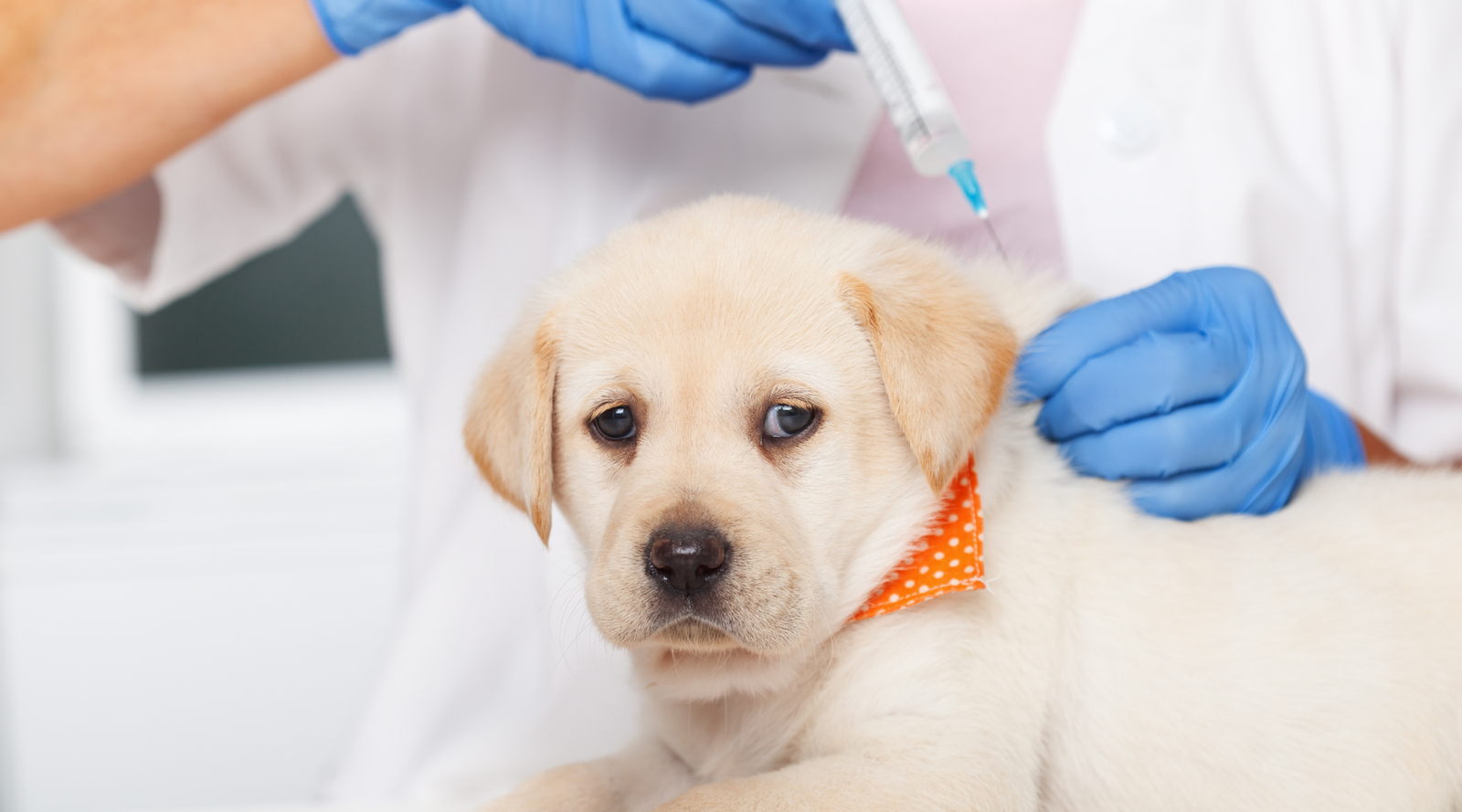
As a responsible pet owner, vaccination is essential. Vaccines help prevent your pet from contracting highly contagious and potentially fatal diseases—especially important for young animals whose immune systems are still developing.
Remember: No socialising before vaccinating
Unvaccinated pets should avoid contact with other animals, as exposure during this period could be dangerous. Without immunity, the risk of infection is high.
Newborn animals receive natural antibodies from their mother’s milk, but after weaning, they must develop their own immune defences. That’s where vaccination comes in.
Not too early, not too late:
Tip: Pair your first vaccination with a health check to ensure your pet is well before beginning their vaccine schedule.
Vaccination schedules vary by age and health, but generally:
“Initial three-shot” protocol:
Why three?
Maternal antibodies may neutralise early vaccine doses. A multi-dose schedule helps ensure your pet builds reliable, lasting immunity.
Example schedule:
Missed a shot?
Skipping a dose may reduce protection. Consult your vet to discuss the next step.
Do boosters need to be given every year?
According to guidelines from the Australian Veterinary Association (AVA), core vaccines are typically boosted every 3 years, depending on risk level and your pet’s antibody response. Your vet will advise on your pet’s individual needs.
Vaccines are classified as:
🐶 Core vaccines for dogs:
🐱 Core vaccines for cats:
Why do cats in HK still need rabies vaccines?
Though Hong Kong has been rabies-free since the 1980s, maintaining a high vaccination rate is vital for continued safety. Rabies is a deadly, untreatable virus that affects all mammals.
By law, all dogs in Hong Kong must receive a rabies vaccine by 5 months old, followed by a booster every 3 years.
Non-core vaccines are administered based on individual lifestyle and risk factors.
🐶 Optional vaccines for dogs:
🐱 Optional vaccines for cats:
Vaccines may cause mild side effects, but these are temporary. The risks of not vaccinating far outweigh the temporary discomfort. That said, some cats may react to adjuvants—substances added to boost immune response.
Swanston offers both adjuvanted and non-adjuvanted vaccines
Our veterinarians will help you choose the best option based on your cat’s health and your preferences.
Common Vaccine Reactions (Mild and temporary):
When to Contact Your Vet Immediately:
We recommend keeping your new pet at home for 10–14 days to monitor for any underlying illness before their first visit.
Your vet will assess whether vaccination is appropriate during the initial consultation.
At Swanston Veterinary Hospital, we provide:
Ready to protect your pet?
Call us:2123 9206
Book online:https://www.swanstonvet.com/#Booking
Visit us:Shop 9, G/F, Yuccie Square, 38 On Ning Road, Yuen Long
Opening hours:Monday to Sunday, 10am – 8pm
*After submitting the booking request, our team will call you as soon as possible to confirm the date and time. The appointment date and time will be confirmed by phone.